Archive
F/light
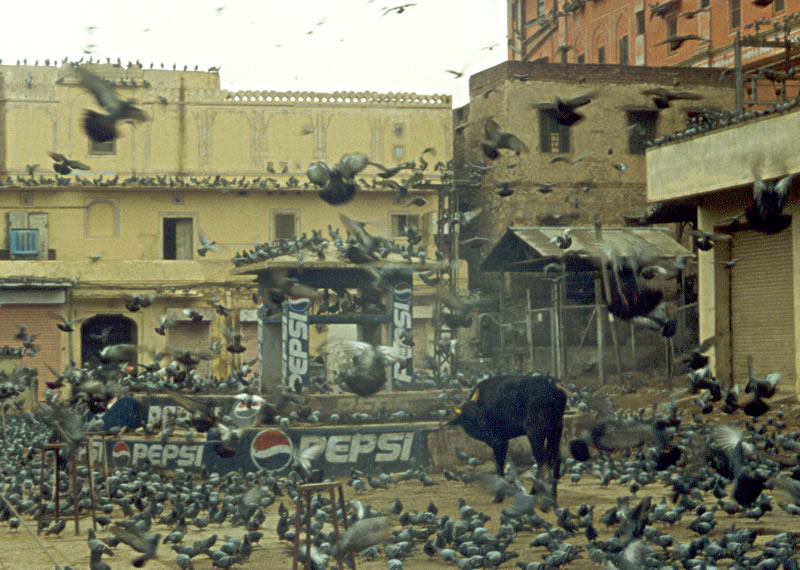
(Click image to view a larger version.)
Dorothee Lang is into roads, stories, places, crossings, and all the things they lead and connect to. She lives in Germany, blogs at life as a journey, and her new book is Worlds Apart.
sk/edge
Flash is needed to view the animation (which may also be viewed on a dedicated webpage).
Dorothee Lang is into roads, stories, places, crossings, and all the things they lead and connect to. She lives in Germany, blogs at life as a journey, and her new book is Worlds Apart. Her other animation for the Fragments issue, published on July 30, was “lines of the days.”
lines of the days
Flash is needed to view the animation (which may also be viewed against
an all-black background on a dedicated webpage).
Dorothee Lang is into roads, stories, places, crossings, and all the things they lead and connect to. She lives in Germany, blogs at life as a journey, and her new book is Worlds Apart.
Sitting With

Click on image to see a larger version
Dorothee Lang is a writer, web freelancer and traveler, and the editor of BluePrintReview. She lives in Germany, keeps a sky diary, and always was fascinated by languages, roads and the world, themes that reflect in her own work. For more about her, visit her at blueprint21.de.
Objects of Desire and Their Wrapping

January 2010, Stuttgart City (click on image to view a larger version)
Dorothee Lang (website) is a writer, web freelancer and traveller, and the editor of BluePrintReview. She lives in Germany, and always was fascinated by languages, roads and the world, themes that reflect in her own work. She keeps a sky diary, is still captured by the possibilities of the web, and currently is focusing on collaborate projects.
forms of being

Dorothee Lang is a writer, web freelancer and traveller, and the editor of BluePrintReview. She lives in Germany, and has always been fascinated by words and the way they change in different countries. Recent projects include the launch of >language >place, an open, collaborative blog project. For more about her, visit her at blueprint21.de.
Nikolaikirche
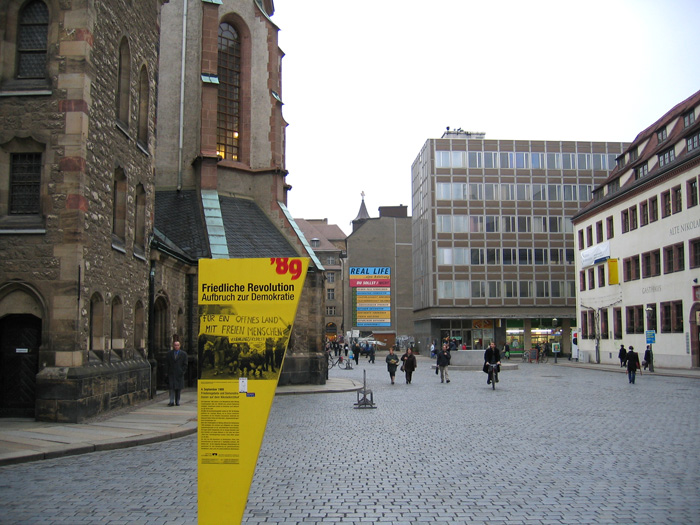
Click on image to view a larger version.
Nikolaikirche in Leipzig was the centre of the peaceful public revolt against the communist system in East Germany. Beginning in 1980, people gathered in the church every Monday for prayer. First just a few met, then more, until in 1989, thousands came together there every week for Monday mass, which was followed by a walk of protest.
It’s still moving to walk across the church square, and to see the photo that was taken during one of the Monday walks. The banner says “Friedliche Revolution — Aufbruch zur Demokratie” / “Peaceful Revolution — Rise for Democracy.”
Dorothee Lang is a writer, web freelancer and traveller. She lives in Germany and edits BluePrintReview and Daily s-Press. Recent publications include HA&L, YB, elimae, Referential, a handful of stones, eclectica, and for a silly reason, The New Yorker. For more about her, visit her website.
Salve, Constantia
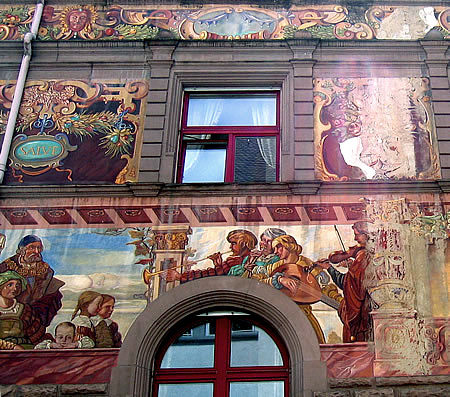
Dorothee Lang is a writer, web freelancer, traveller, gardener, and the editor of BluePrintReview. She lives in Germany, and currently is into skies, microformats, transitions and visuals. Recent publications include elimae, Nanoism, The, Wheelhouse and others. For more about her, visit her at blueprint21.de.
Coptic Pizzeria
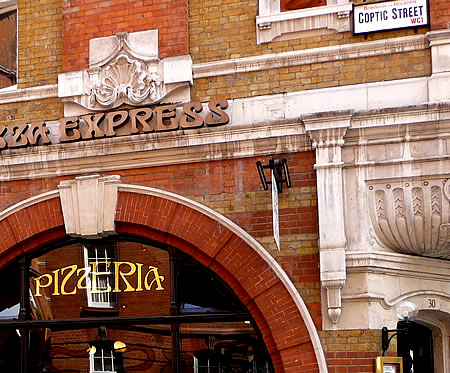
Dorothee Lang is a writer, web freelancer, traveller, gardener, and the editor of BluePrintReview. She lives in Germany, and currently is into skies, microformats, transitions and visuals. Recent publications include elimae, Nanoism, The, Wheelhouse and others. For more about her, visit her at blueprint21.de.
Lung Ta (wind words)
“It’s simple,” he explained. “You put up the flags in a high place — and the wind carries their mantras into all pervading spaces that are in need of them.”


Dorothee Lang edits the BluePrintReview, an experimental online journal, and currently is into collaborative works. Her work has recently appeared in LITnIMAGE, Counterexample Poetics, Otoliths and Wheelhouse. For more about her, visit her at blueprint21.de.
 qarrtsiluni